Conscious Technology + Cyber Civics
Empowering mindful choices and digital responsibility through the practice of cyber civics
Preserving childhood in a digital age: The power of conscious technology
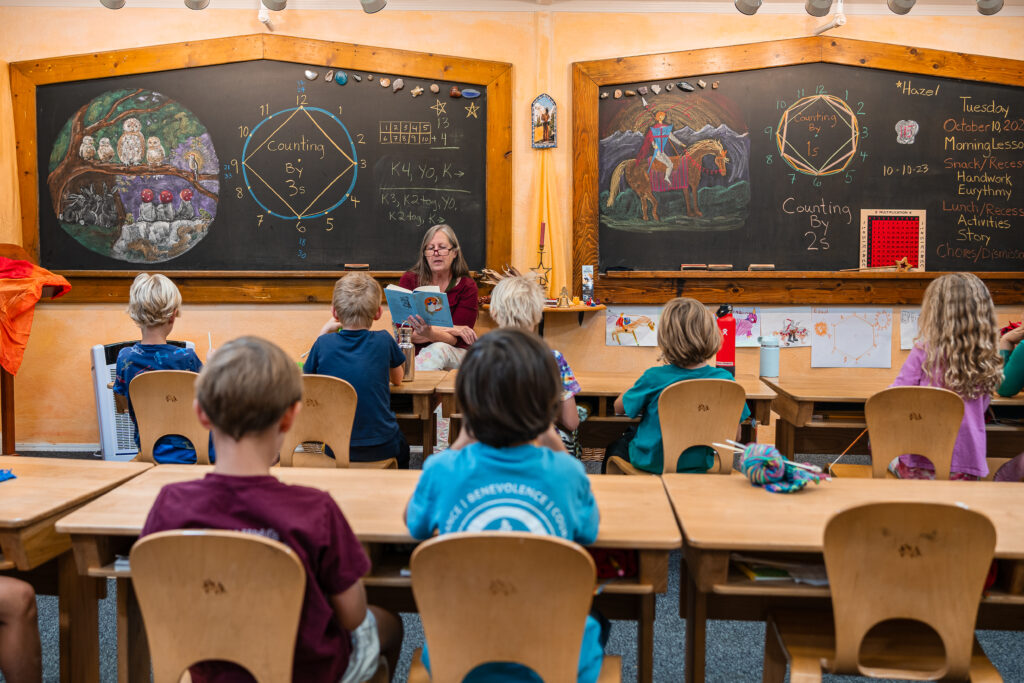
In a world where screens compete for our children’s attention from their very first years, the Waldorf approach offers a path back to what truly matters. We believe that a child’s early years should be defined by three-dimensional experiences—by the tactile warmth of wooden toys, the physical coordination of outdoor play, and the rich social cues of face-to-face conversations. By maintaining a screen-free environment in the early and lower grades, we protect the sacred space of childhood, allowing kids to develop robust imaginations, deep focus, and strong physical foundations before they ever interact with a digital device.
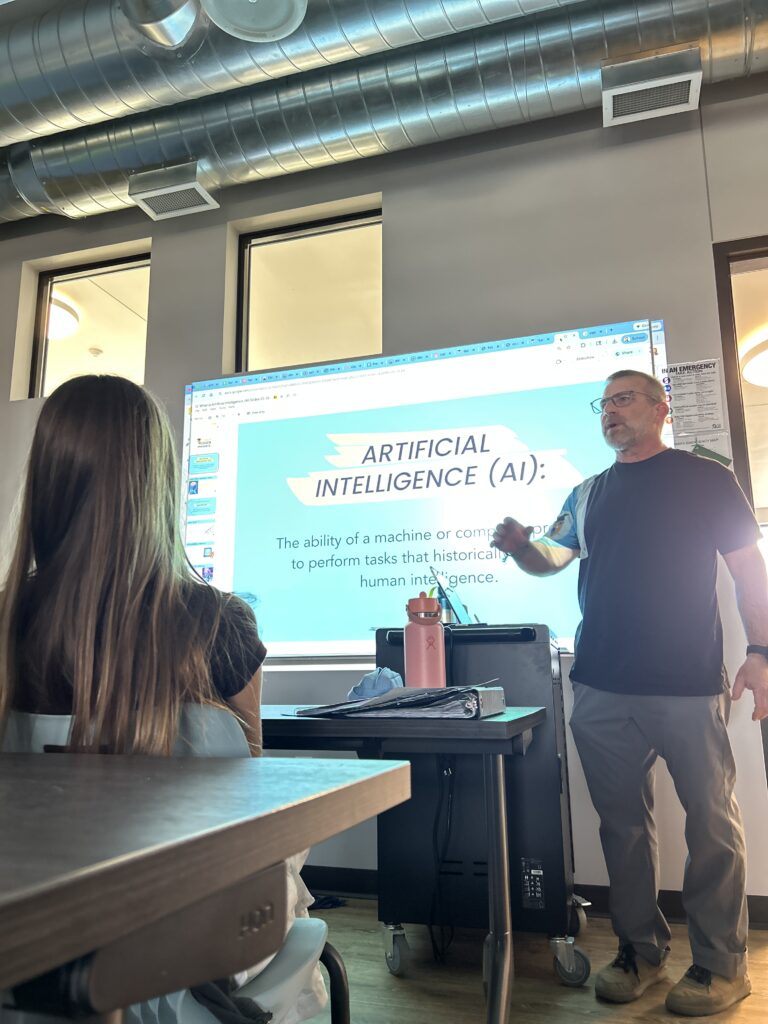
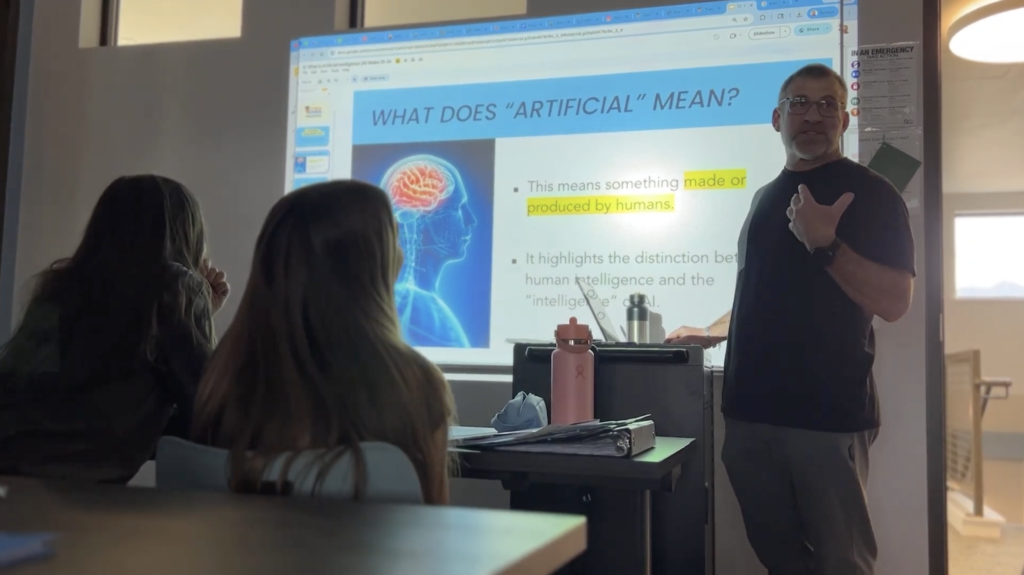
When technology is eventually introduced in the older grades, we teach students how to use these tools and how to think about them. Our unique “Conscious Technology” and Cyber Civics curriculum guides students to understand the ethical, social, and emotional impacts of the digital world. Instead of passive consumers captivated by algorithms, Waldorf students become intentional, creative, and responsible digital citizens who control technology rather than letting it control them.
For more, check out this article from the Association of Waldorf Schools of North America titled Rooted Before Wired: Educating Children for an AI Future. The article outlines that to prepare children for an AI-dominated future, education must first anchor them in offline learning, hands-on experiences, and strong human relationships. Rather than rushing to integrate technology, schools should focus on building foundational cognitive and emotional resilience first.
This is the Waldorf difference: we do not shelter children from the future; we strengthen them for it. By prioritizing real-world connection, artistic expression, and critical thinking first, we nurture confident minds and creative souls who are fully equipped to navigate the modern world with balance, purpose, and healthy boundaries.
We are a
Phone-Free campus!
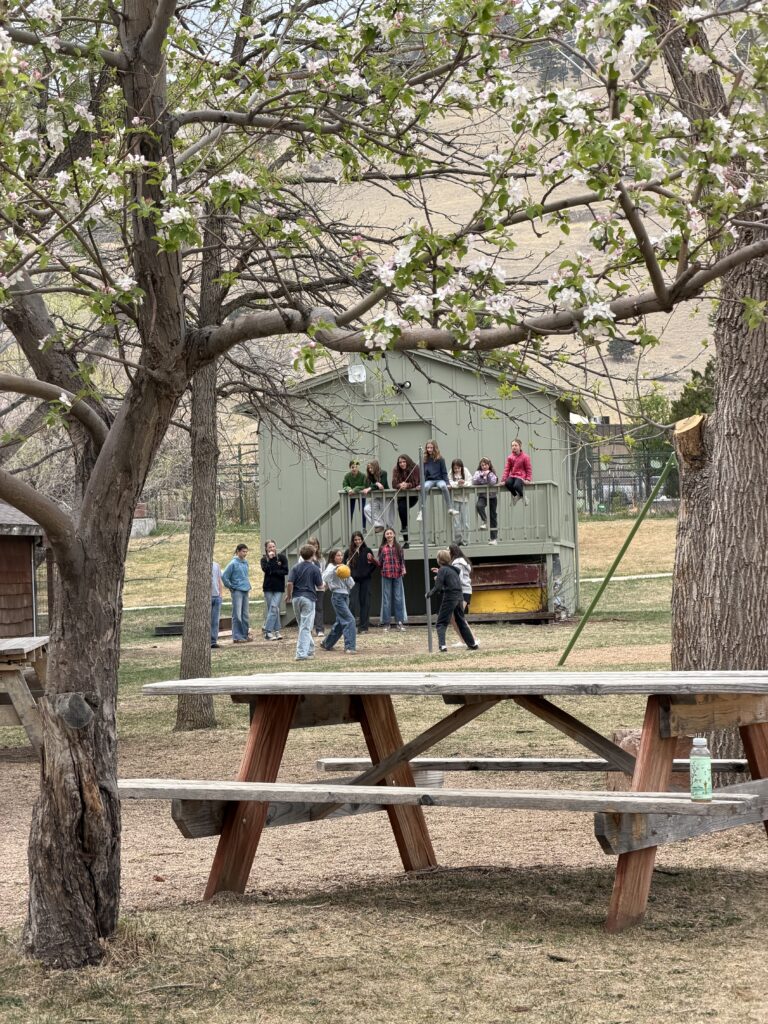
Shining Mountain Waldorf School is a proud phone-free campus to fully preserve the sanctuary of childhood and support deep, focused learning. By eliminating digital distractions, we protect our students’ attention spans and create a healthy environment where real-world eye contact, active listening, and genuine face-to-face social interaction thrive.
This commitment extends beyond the classroom: to protect their children’s emotional well-being and social development, most parent communities here collectively agree to hold off on giving their children smartphones until high school. This collaborative effort provides a crucial mental break from digital pressures, helping our students feel safer, happier, and more grounded throughout their school day.
Cyber Civics: A Developmental Approach to the Digital World

In an era where children are digital natives, we believe they need a strong ethical compass. At Shining Mountain, our Cyber Civics curriculum meets students at key developmental milestones, transforming them from passive screen users into ethical, critical, and media-literate digital citizens.
Beginning in middle school, when a child’s social world naturally begins to expand, we introduce lessons that build foundational digital citizenship, progress through sophisticated media literacy, and culminate in advanced information literacy.
Grade 6: Digital Citizenship & Belonging
In the sixth grade, as students begin to experience a wider social circle, the curriculum focuses on building a safe and supportive community online and offline.
The Focus: Establishing the foundational rules of the digital road. Students learn about the concept of a “digital footprint,” the impact of their online words, and how to protect their personal privacy.
The Outcome: By exploring what it means to be a “good citizen” in a virtual space, sixth graders develop the self-awareness and empathy needed to foster online spaces where everyone feels a true sense of belonging.
Grade 7: Information Literacy & Critical Thinking
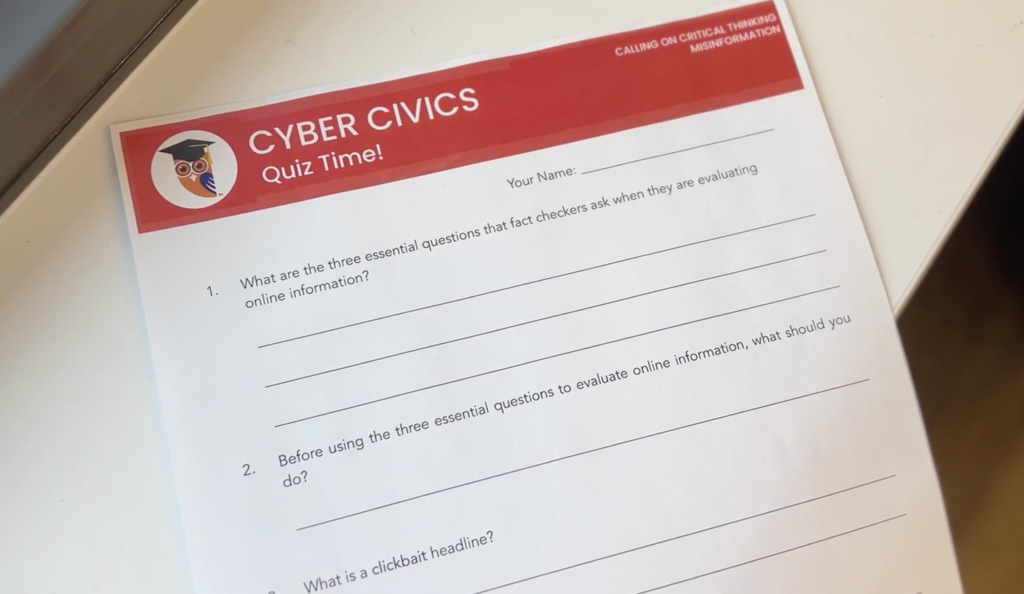
- The Focus: Deciphering the digital landscape. Students learn how to spot misinformation, identify clickbait, understand how search engines rank information, and recognize the persuasive design techniques used to keep them hooked on screens.
- The Outcome: Seventh graders transition from passive consumers of digital content to active, critical investigators—learning to ask who created a piece of media, why they created it, and whether it is true.
Grade 8: Media Literacy & Ethical Leadership
- The Focus: Understanding the broader societal impacts of technology. Students dive into complex topics like copyright, intellectual property, digital drama, and how media can shape or distort public perception.
- The Outcome: Equipped with a deep understanding of digital ethics, eighth graders learn to use technology as a powerful, positive tool for self-expression and community leadership—ensuring they enter high school prepared to navigate the digital world with integrity and confidence.
High School
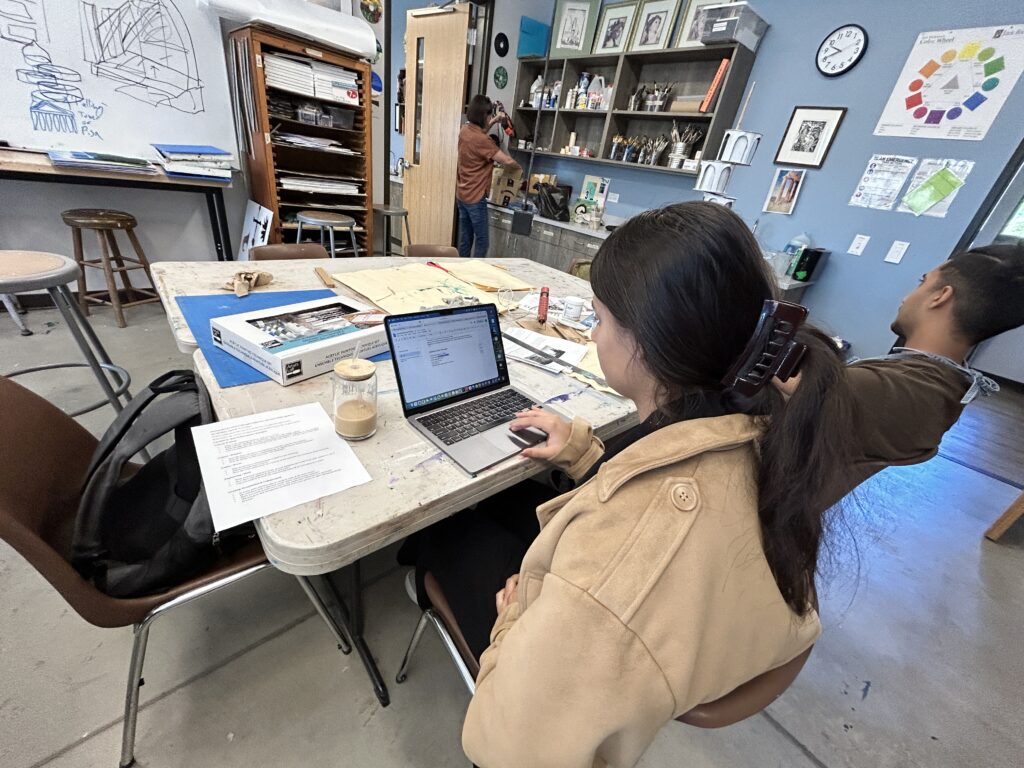
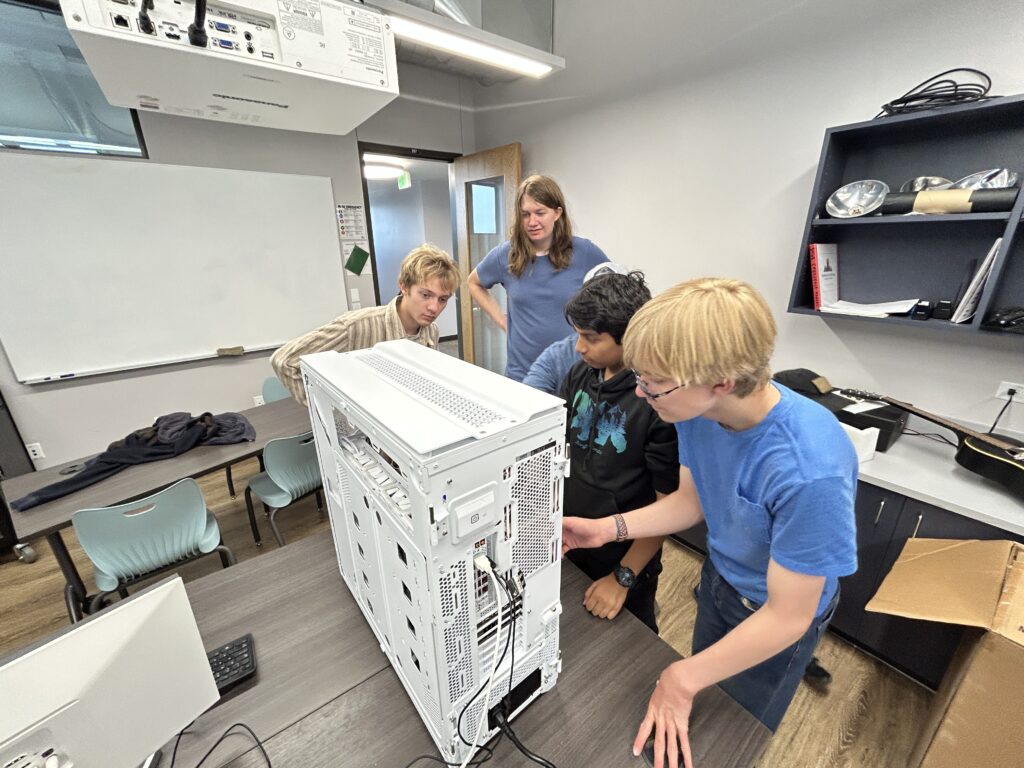
In the high school, technology transitions from a subject of study to an active, integrated tool for academic inquiry, creative expression, and real-world preparation. Having established a strong ethical and critical foundation in middle school, high schoolers utilize digital media consciously and purposefully. Whether conducting college-level research, analyzing complex data sets, coding, or designing digital media, students engage with technology not as a distraction, but as a powerful resource to amplify their intellect and creativity. We prepare our graduates to be innovative creators and ethical leaders who navigate the digital landscape with confidence, balance, and clear intentionality.