
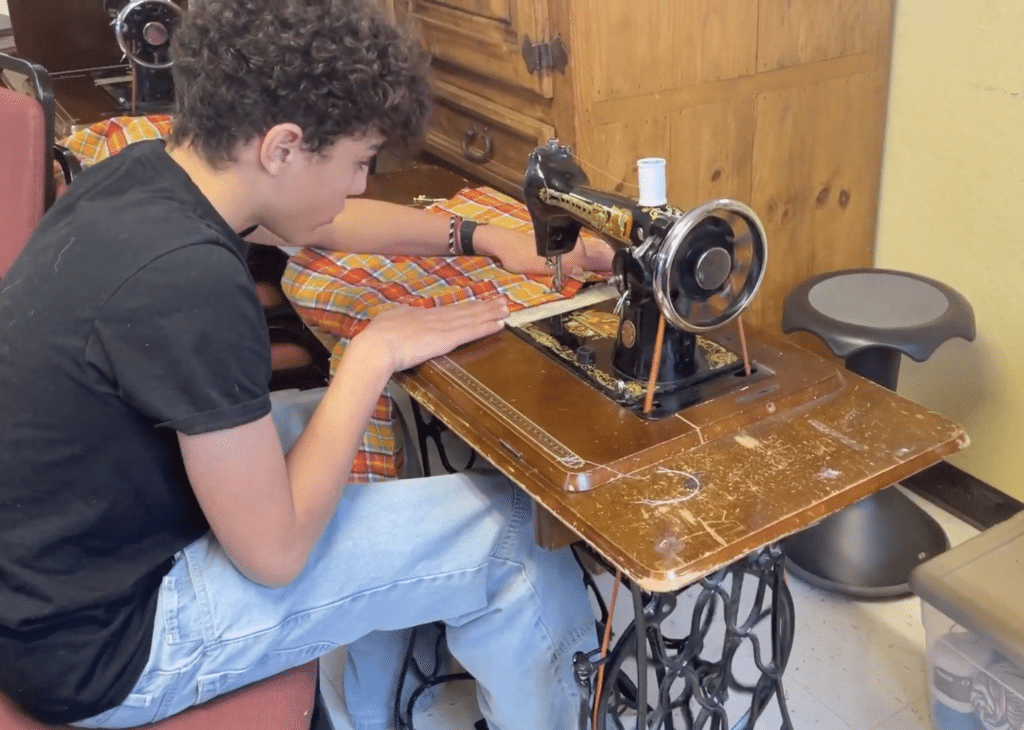
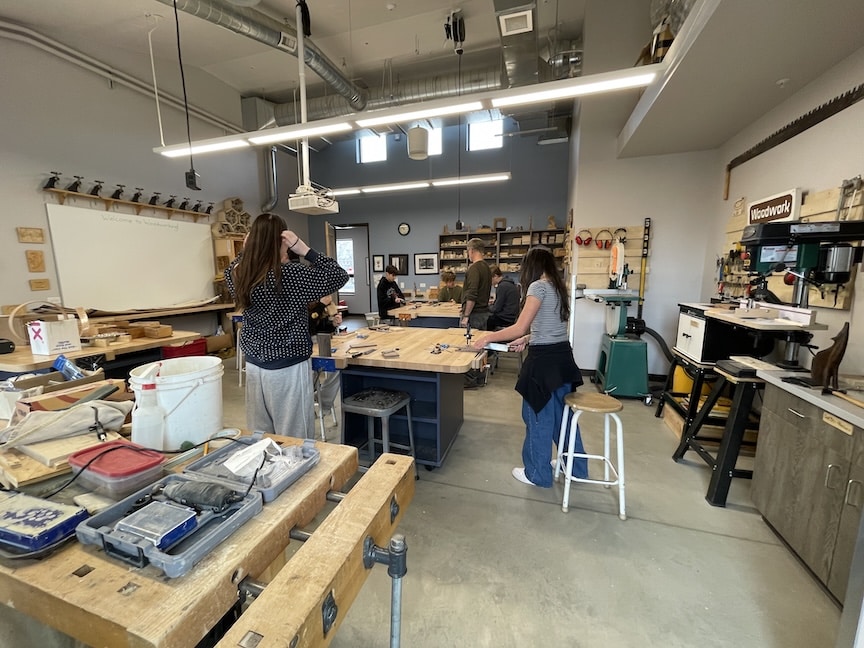
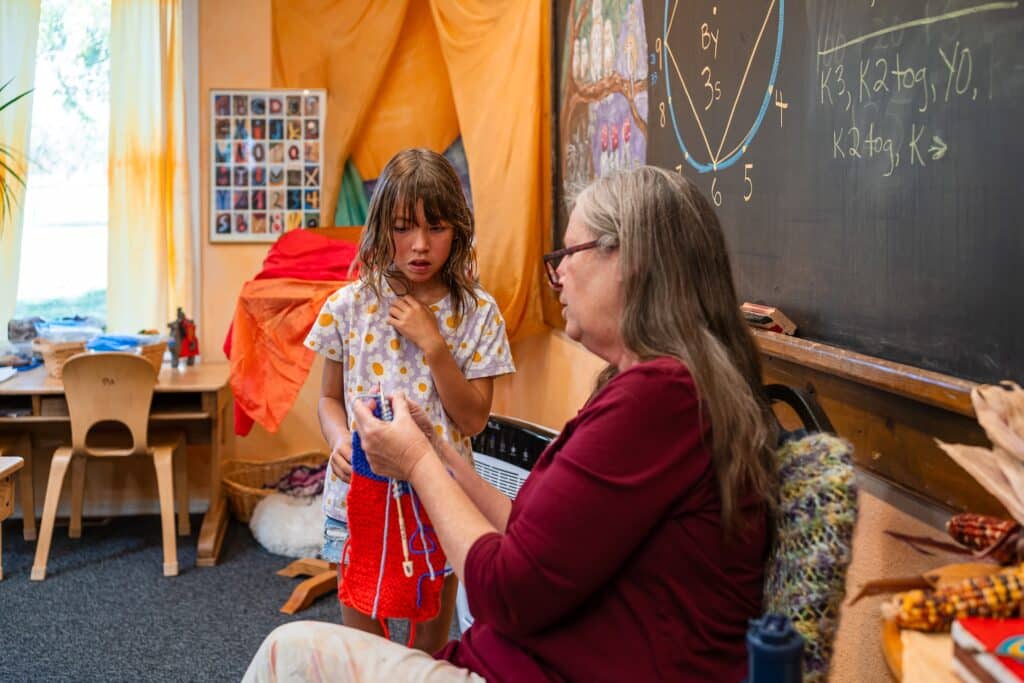
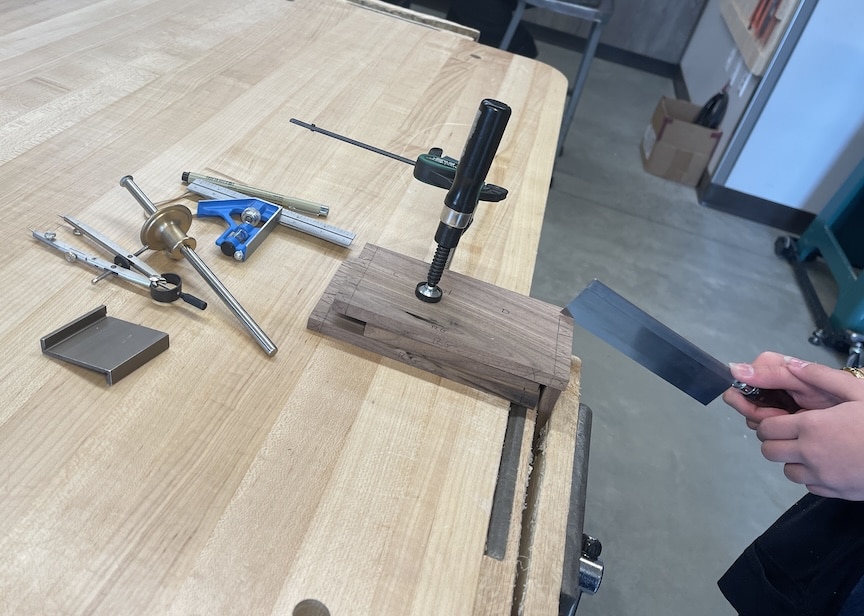

Practical and industrial arts in Waldorf education—spanning handwork, woodwork, and blacksmithing—are essential academic disciplines intentionally integrated into the curriculum to engage the whole child through head, heart, and hands, cultivating critical cognitive skills, emotional resilience, and executive function.
Handwork: From early stitching to complex fiber arts, handwork develops fine motor precision, bilateral brain coordination, and spatial reasoning. Counting stitches and following intricate patterns directly build the neurological architecture needed for mathematics, logic, and sustained focus.
Woodwork: Working with living material like wood teaches spatial geometry, three-dimensional problem solving, and patience. As students measure, carve, and shape functional objects, they learn to navigate material resistance, turning creative vision into physical reality.
Blacksmithing: For older students, transforming raw iron with fire and hammer demands intense concentration, emotional resilience, and physical strength. This powerful process instills grounded self-reliance, showing students they have the agency to shape the physical world around them.
Awakening observation & inner expression
Fine arts in Waldorf education are deeply integrated into the academic curriculum to cultivate aesthetic sensitivity, emotional depth, and flexible thinking. Far beyond simple creative expression, these artistic disciplines train the student’s power of observation, refine spatial awareness, and strengthen willpower through direct engagement with natural mediums.
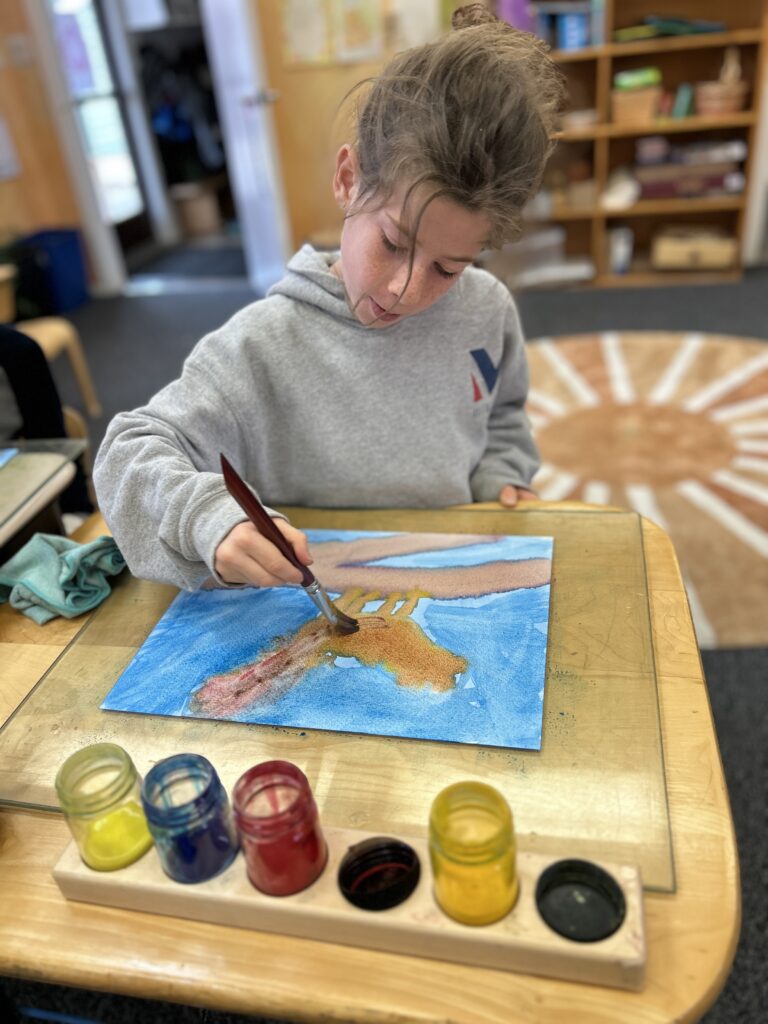
Wet-on-Wet Watercolor: Working with fluid pigments on wet paper allows colors to blend dynamically, fostering emotional fluidity and color intuition.
Form Drawing: Practicing freehand geometric patterns and dynamic line forms cultivates visual-spatial reasoning and fine motor precision.
Veil Painting: Building subtle, translucent layers of watercolor washes teaches patience as three-dimensional forms gradually emerge from light and color.
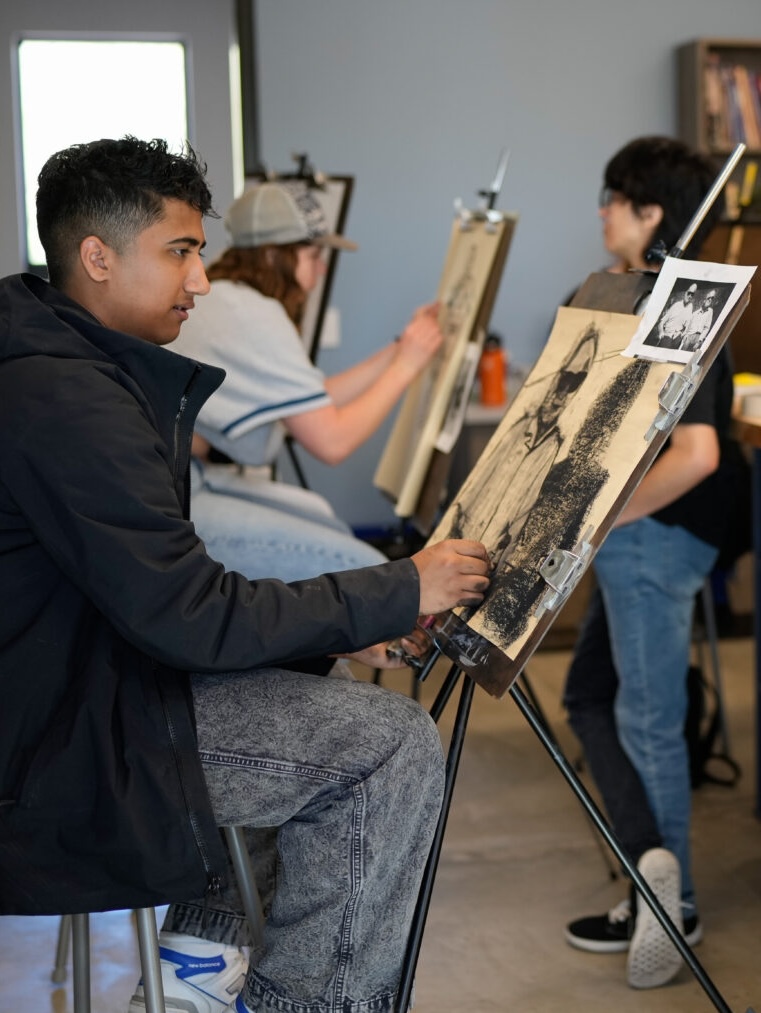
Charcoal: Exploring dramatic light and shadow (chiaroscuro) trains students to observe form, depth, and contrast with perceptual accuracy.
Beeswax Modeling: Warming and shaping fragrant beeswax develops tactile sensitivity, hand strength, and fine motor skills in younger students.
Clay Sculpting: Working with natural clay challenges students to balance weight, volume, and space while shaping raw earth into three-dimensional forms.
Stone Carving: Carving resistant materials like alabaster demands physical discipline, spatial foresight, and perseverance in older students.
Performing and movement arts in Waldorf education cultivate confidence, physical expression, and harmonious group awareness. Through embodied storytelling and spatial movement, students integrate cognitive understanding with physical Grace, developing empathy, presence, and a deep connection to language and rhythm.
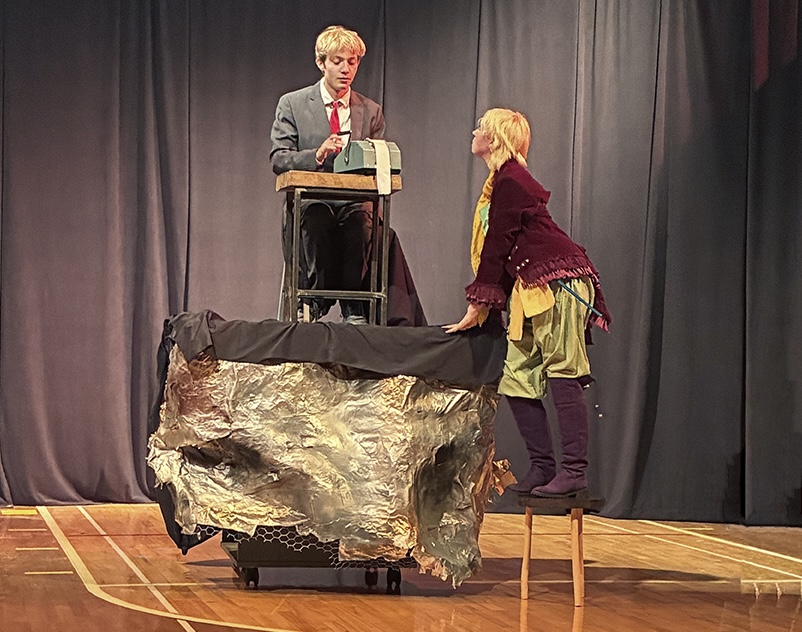
Class Plays: Annual dramatic productions deepen literacy and historical understanding while building public speaking confidence, emotional maturity, and collaborative ensemble skills.
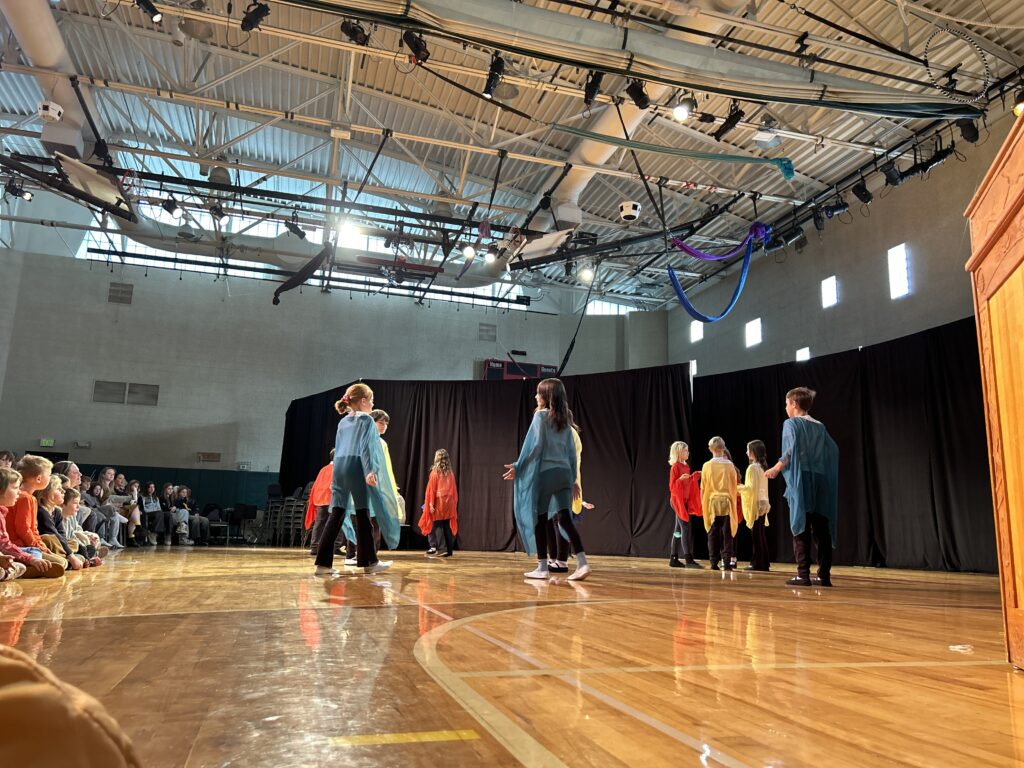
Eurythmy: This expressive movement art translates sound, speech, and musical intervals into spatial gesture, enhancing posture, spatial awareness, and neurological harmony.


Red Rose Rainbow Garden and Aftercare Assistant
Anji grew up exploring the coastal hills and open outdoors of Marin County, spending her days playing soccer, discovering different beaches, and developing a deep, lasting connection to the natural world. Having spent her past two summers guiding youth through different nature camps, she brings a gentle, grounding energy and a meaningful background in outdoor discovery to Shining Mountain Waldorf School.
Anji believes young children thrive best when surrounded by a warm, loving, and predictable rhythm of care, which is what stood out to her about Shining Mountain Waldorf School. In the classroom, she shines in supporting the natural curiosity of the 4-to-6-year-olds, guiding peaceful daily transitions, and fostering a space filled with imaginative, play-based exploration.
Anji graduated from the University of Colorado Boulder with a B.A. in Sociology, focusing her studies on human development and community building. Outside of teaching, Anji enjoys camping, listening to live music, and spending as much time as she can by a flowing river.
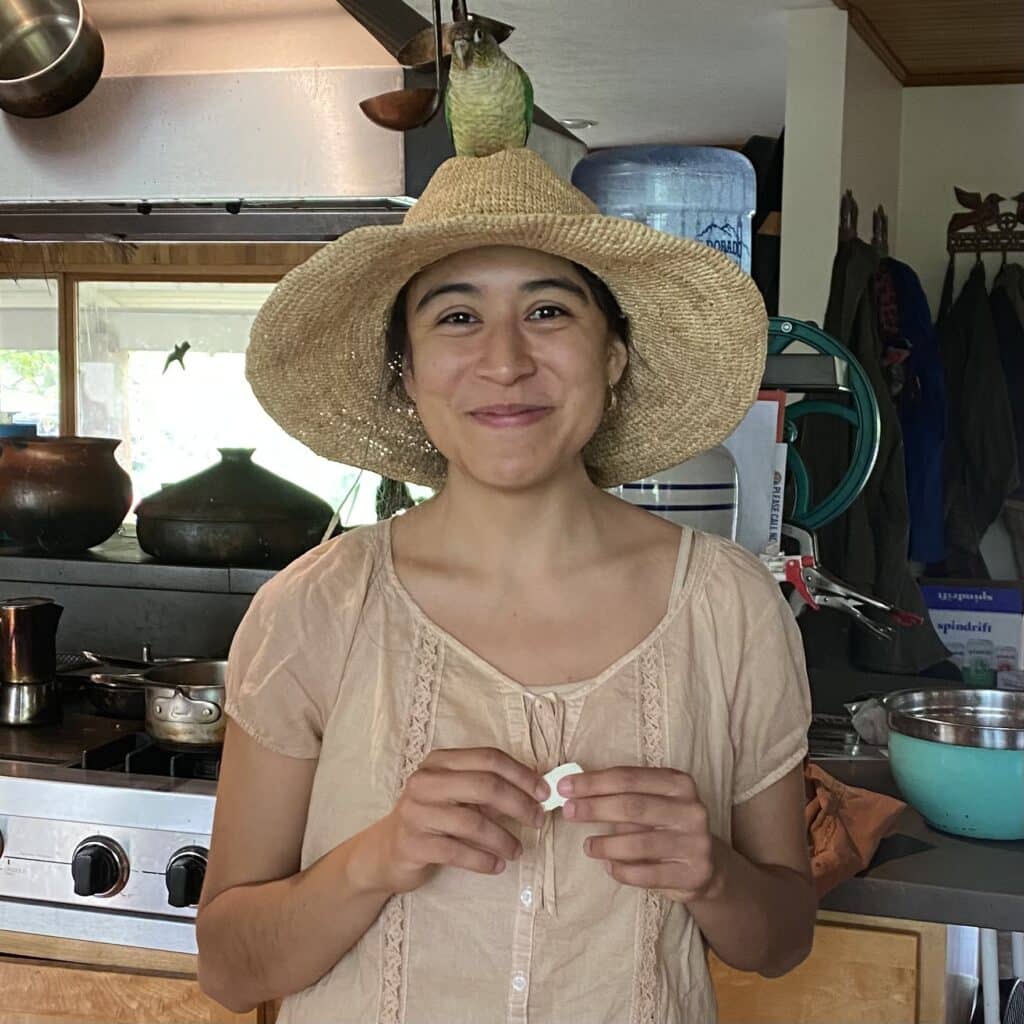
White Dove Rainbow Garden and Aftercare Assistant
Freya was born and mostly raised in the state of Texas, with some years spent in Germany and the state of Georgia as part of her military dependent upbringing. She studied Applied Mathematics at Texas A&M University, and a summer college internship at Dr. Bronner’s Magic Soaps introduced her to the world of organic farming. She found herself on several Biodynamic farms in Wisconsin, California, and ultimately Boulder, Colorado and through these farms was introduced to the teachings of Rudolf Steiner and Waldorf education.
Freya is a nanny, holistic postpartum doula, and organic farmer. She is excited to officially join Shining Mountain Waldorf School after several years of serving families in the local Waldorf community. She has seen first hand the profound impact that Waldorf education has had on the children in her care and how it truly facilitates the flourishing of the whole child through the rhythms, creative practices, and home-like environments that make it possible to meet each child where they are.
Freya looks forward to the growth that is to come from experiencing Waldorf education firsthand as an educator. In her free time you can find her milking goats at the farm she calls home, practicing drawing, and enjoying the company of her family and pets.

Sculpture Teacher
Jack has lived in Boulder, Colorado for 50 years, working as a chemist in the field of plastics to manufacture prosthetic hands and feet. He always deeply appreciated the three-dimensional beauty and grace of the human form, but it took until he began to marvel at the beauty and grace of stone that his art emerged. He first picked up a hammer and chisel in 2001 and launched a creative journey he had been searching for most of his life.
Jack sculpts because through it, he feels more in touch with the world. Sculpting is a very personal experience for him, and every sculpture he creates harbors pieces of his inner life. His abstract, geometric, and representational figures are the result of creatively playing with form and space, paying attention to connections and separations, and the balance between the two. He hopes that his work, which awakens his creativity, helps to awaken others as well. Currently, Jack has work prominently displayed in art galleries, has participated in a variety of shows, and has placed numerous pieces into private collections.

White Dove Kindergarten Assistant
Marina grew up on the verdant hills near Verona, Italy, where she obtained a B.S. in Communication and an M.S. in Publishing and Multimedia Communication. After graduating, she moved to Spain to master the language and soon discovered a passion for traveling. She met her husband, Tommy, in Barcelona, and together they lived in several countries before settling in Boulder in 2021.
Marina came across the Waldorf philosophy after starting a family and was inspired by its focus on nurturing the whole child through creativity, rhythm, and a deep connection to nature.
In her free time, Marina enjoys cooking, gardening, meditating, reading, traveling, and spending time with her family.
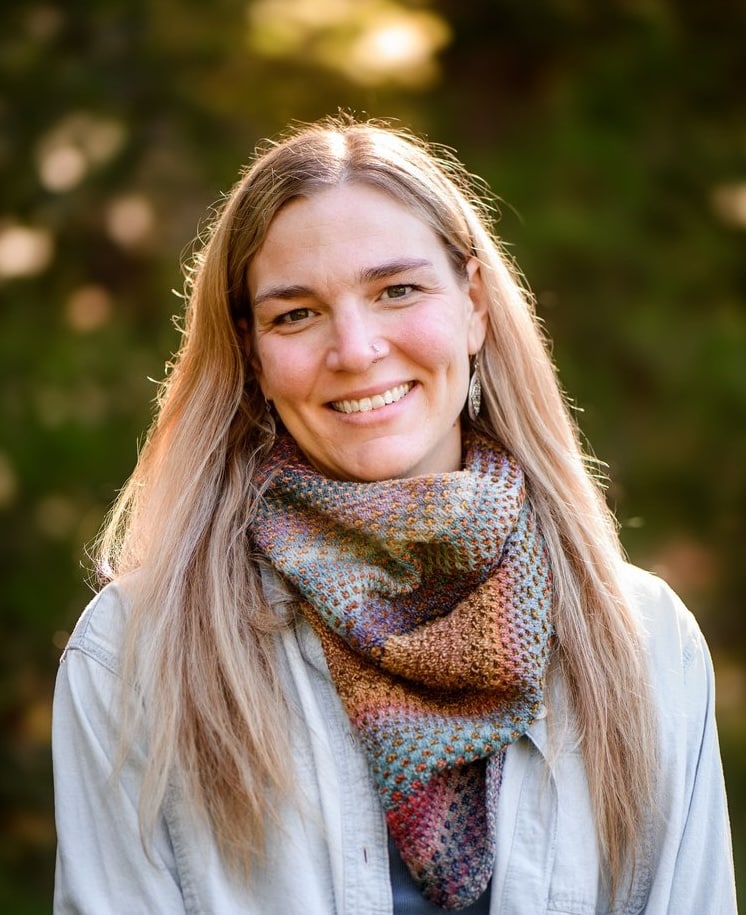
Events Manager
Christine brings to Shining Mountain a rich background in program leadership, community organizing, and organizational management. In her previous roles—including Co-Chair for the Festivals Committee at Emerson Waldorf School and founder of Four Sisters Fiber Shed—Christine built a strong foundation in coordinating complex initiatives, managing event logistics, and fostering meaningful community engagement.
Grounded in Waldorf pedagogy and the practical arts, she excels at creating warm, inclusive gatherings that bring people together. Outside of her professional work, Christine loves spending time outdoors, gardening, and exploring fiber crafts like knitting and natural dyeing.

Meadowlark Preschool Lead Teacher
With 12 years of teaching experience in Waldorf Education, Jamie is grateful to have spent her career nurturing young children through the beauty, rhythm, and wonder of early childhood. Her experience includes both classroom teaching and administration, giving her a deep understanding of how to create a warm, nurturing, and supportive environment for children and families.
Jamie’s connection to Waldorf education began as a student herself. She is a proud alumna of Shining Mountain Waldorf School, and the values and experiences she received continue to shape her approach to teaching. Jamie believes children thrive when given the time and space to explore, imagine, create, and grow at their own pace within a loving and predictable rhythm.
Jamie graduated with a Master’s in Education and holds both grades and early childhood Waldorf teaching credentials, as well as a BA in Psychology and Neuroscience. Outside of teaching, Jamie loves spending time with her family. She enjoys gardening, painting, and baking, activities that keep her connected to nature, creativity, and the beauty of making things by hand.
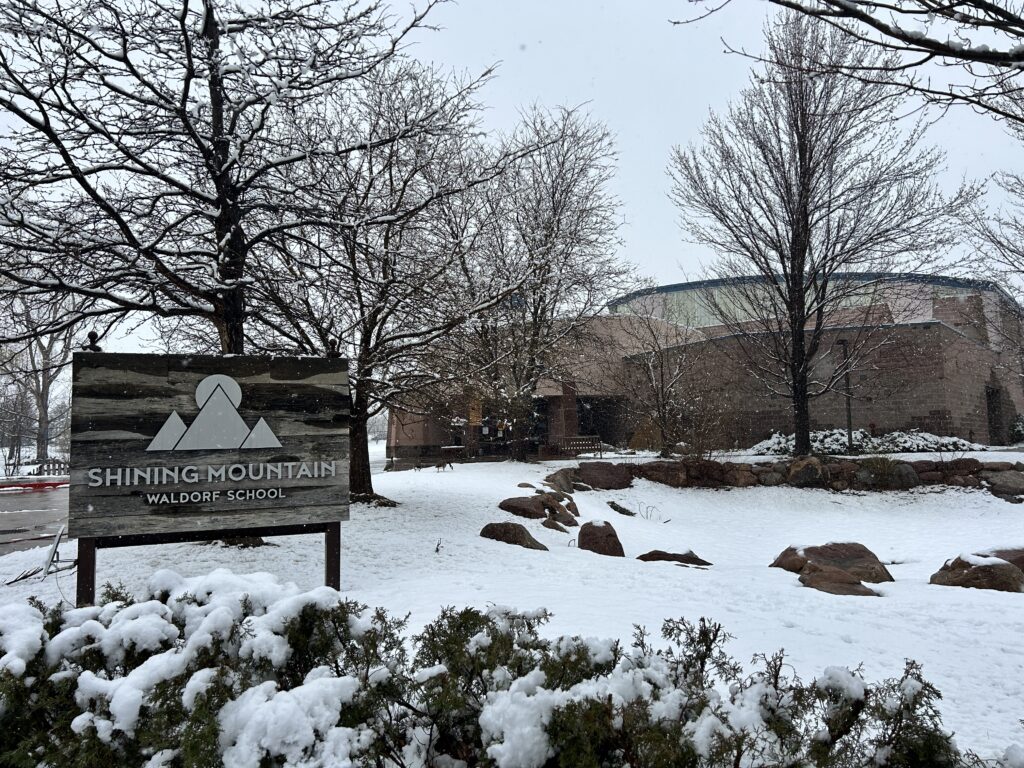
Position: Lower School Office Manager (Hourly full time for 3⁄4 of the year, or year round depending on qualifications)
Program: Administration
Reports to: Campus Operations Director
FLSA Status: Non-Exempt
Date: July 2026
The Lower School Office Manager (Grades Pre K through 8) manages the front desk in the Lower School Office. This is a highly visible position, often being the first point of contact for the Shining Mountain Waldorf School Community. The Lower School Office Manager is friendly, organized, and professional in their phone, email and in-person communications. Master of working to multitask and manage multiple requests and responsibilities in a busy school office environment. This position also manages ordering supplies for the classrooms, offices, and the school bookstore.
Lower School Office Manager (supervised by Campus Operations Director)
Operation of bookstore and point of sale system
Classroom Supplies:
Support Office Purchasing:
End of school year/Beginning of school year office tasks:
Additional Responsibilities
The physical demands described here are representative of those that must be met by an employee to successfully perform the Essential Duties and Responsibilities of this job. While performing the duties of this job, the employee is required to:
Shining Mountain Waldorf School is fully committed to Equal Employment Opportunity and to attracting, retaining, developing and promoting the most qualified employees without regard to their race, religion, gender, gender identity, disability, familial status, sexual orientation or national or ethnic origin, citizenship status, veteran status, or any other characteristic prohibited by state or local law. We are dedicated to providing a work environment free from discrimination and harassment, where employees are treated with respect and dignity.
Interested candidates should send a cover letter, resume, and three references to hrmgr@smwaldorf.org.

Rainbow Garden Lead and Bluebell Assistant
My name is Mary Andrews, and I am originally from Northampton, Massachusetts, but I now live in Boulder. I am deeply committed to and enthused by Waldorf Early Childhood Education and the centered, slow, purposeful nature of the Waldorf EC Classroom. I am drawn to the loving, dreamy, playful spirit of preschool-aged children and can’t wait to be a part of the Bluebell classroom in the fall.
I spent the past year assistant teaching at the Boulder Valley Waldorf School in both the Preschool and Kindergarten settings, and have experience in other nature-based EC classrooms as well.
In my own childhood (from parent-child to 8th grade), I attended the Hartsbrook Waldorf School in Hadley, Massachusetts. I still carry many things brought to me originally by my teachers: love for fiber and visual arts, active outdoor play, wonder in stories, and beauty in practical work that have followed me into my teaching now. I am currently undergoing Waldorf Early Childhood Teacher Training at the Sunbridge Institute in Chestnut Ridge, New York.

Class Teacher Grade 1
Brandon joins us from Emerson Waldorf School in North Carolina. Brandon brings warmth, joy, and enthusiasm to his students and his teaching, as well as a depth of understanding in Waldorf education. His love for children is immediately apparent, and his excitement for the work of first grade is contagious. It is clear that Brandon will guide his students with care, and creativity while becoming an engaged and joyful member of our community.
Brandon Kohn and his wife Cilia first moved to the beautiful state of Colorado in 2006. He spent the early years of his teaching career in the public-school sector, before finding Waldorf Education and Anthroposophy in 2016. Brandon has had the privilege of taking two Waldorf seventh-grade classes through their eighth-grade graduations as well as inspiring four first-grade classes in his twelve years as a class teacher. He found his way to Shining Mountain after working at Juniper Ridge Community School in Grand Junction, Mountain Laurel Waldorf School in New Paltz, NY, and Emerson Waldorf School in Chapel Hill, NC.

High School Personal Finance
Keir grew up in southeastern Pennsylvania. Upon graduating from Goucher College in 1998 with a B.A. in history, he immediately began his teaching career. He spent the next decade teaching both math and humanities courses, as well as coaching lacrosse.
In 2007, Keir left the East Coast for Colorado. After a few years pursuing other interests, he returned to education by joining the math department at Tara Performing Arts High School. There, he developed a deep appreciation for Waldorf education, wearing a wide variety of hats both in and out of the classroom. While at Tara, he met his wife, Ashley, who now teaches at Boulder Valley Waldorf School.
Outside the classroom, Keir enjoys spending time with his family and being outdoors. He lives nearby and can often be found on the mountain trails in Boulder.

Position: Early Childhood Preschool Lead Teacher
Program: Early Childhood Education (ECE)
Reports to: Early Childhood Director
FLSA Status: Exempt
Date: June 2026
The Early Childhood Preschool Lead Teacher is responsible for creating a warm and joyful Waldorf play-based program in a preschool early childhood group setting. Working with an assistant, the teacher brings the magic of the seasons through stories, circles, handwork, imaginative play, and outdoor experiences each day. Essential qualities of the lead teacher include uprightness, collegiality, a strong sense of integrity, patience, and flexibility. Our ideal candidate strives towards continual self-development and endeavors to be worthy of imitation.
Shining Mountain Waldorf School is fully committed to Equal Employment Opportunity and to attracting, retaining, developing and promoting the most qualified employees without regard to their race, gender, color, religion, sexual orientation, national origin, age, physical or mental disability, citizenship status, veteran status, or any other characteristic prohibited by state or local law. We are dedicated to providing a work environment free from discrimination and harassment, and where employees are treated with respect and dignity.
Interested candidates should send a cover letter, resume, and three references to hrmgr@smwaldorf.org

Position: Early Childhood Kindergarten Lead Teacher
Program: Early Childhood Education (ECE)
Reports to: Early Childhood Director
FLSA Status: Exempt
Date: June 2026
The Early Childhood Lead Teacher is responsible for creating a warm and joyful Waldorf play-based program in a mixed-age Kindergarten early childhood group setting. Working with an assistant, the teacher brings the magic of the seasons through stories, circles, handwork, imaginative play, and outdoor experiences each day. Essential qualities of the lead teacher include uprightness, collegiality, integrity, patience, and flexibility. Our ideal candidate strives towards continual self-development and endeavors to be worthy of imitation.
Shining Mountain Waldorf School is fully committed to Equal Employment Opportunity and to attracting, retaining, developing and promoting the most qualified employees without regard to their race, gender, color, religion, sexual orientation, national origin, age, physical or mental disability, citizenship status, veteran status, or any other characteristic prohibited by state or local law. We are dedicated to providing a work environment free from discrimination and harassment, and where employees are treated with respect and dignity.
Interested candidates should send a cover letter, resume, and three references to hrmgr@smwaldorf.org
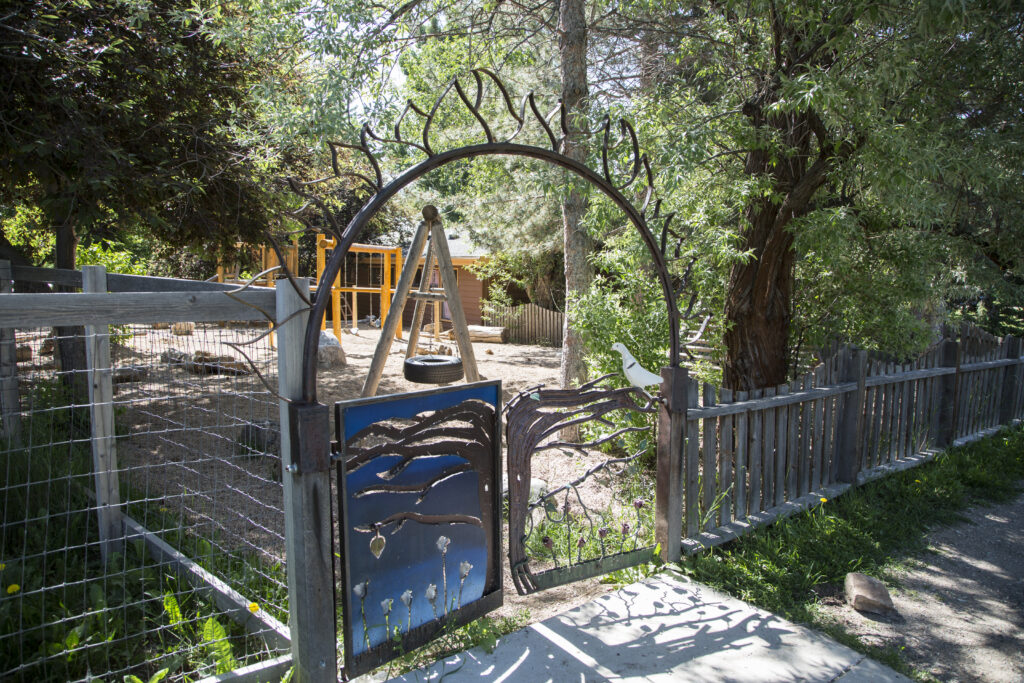
Position: Early Childhood Teacher Assistant – School year 26/27
Program: Early Childhood
Reports to: Lead Early Childhood Teacher
FLSA Status: Non-Exempt
Date: June 2026
The Early Childhood Teacher Assistant is responsible for helping to create a wonderful Waldorf Early Childhood experience for our mixed age classrooms (ages 2.5- 4, or 3.5 -6). The ECE Assistant will work with the Early Childhood Lead Teacher by assisting in classroom management and supervision of the class, daily food preparation, interacting with students in a developmentally appropriate manner, and taking direction from the Lead Teacher. They engage in day to day responsibilities according to the principles of Waldorf Education. This position includes a large portion of the day outside throughout the school year in all kinds of weather.
The physical demands described here are representative of those that must be met by an employee to successfully perform the Essential Duties and Responsibilities of this job. While performing the duties of this job, the employee is required to:
Shining Mountain Waldorf School is fully committed to Equal Employment Opportunity and to attracting, retaining, developing and promoting the most qualified employees without regard to their race, religion, gender, gender identity, disability, familial status, sexual orientation or nation or ethnic origin, citizenship status, veteran status, or any other characteristic prohibited by state or local law. We are dedicated to providing a work environment free from discrimination and harassment, and where employees are treated with respect and dignity.
Interested candidates should send a cover letter, resume, and three references to hrmgr@smwaldorf.org
Marketing Director
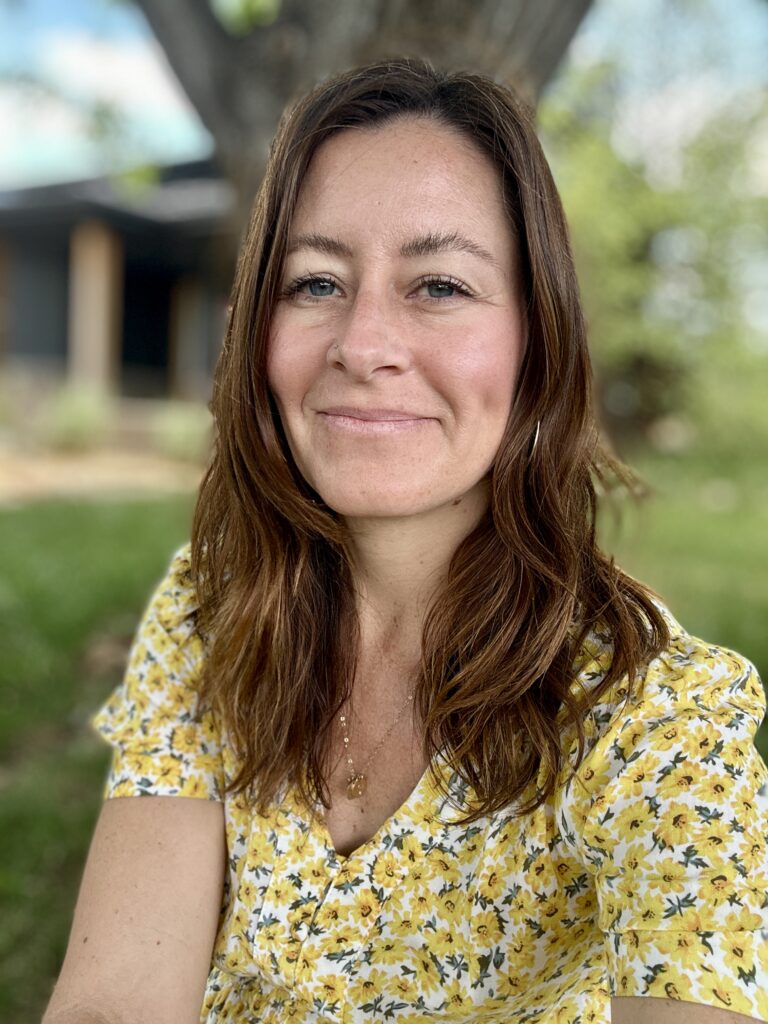
Bre joins our team with over 15 years of experience as a senior creative and marketing strategist, having built a career at the intersection of storytelling and human-centered marketing. Her extensive background spans television production, digital strategy, and copywriting, where she has led creative initiatives for global brands such as Airbnb, Levi’s, Square (Block), and Sonic Drive-In.
Before moving into her current mission-driven work, Bre spent years navigating the fast-paced worlds of top-tier agencies like VaynerMedia and high-growth startups. Whether she was producing testimonials for national commercials or building organic growth engines for fintech leaders, her focus has always remained the same: turning complex ideas into simple, authentic narratives that build real connection.
Bre is thrilled to pivot her focus from the corporate and startup worlds to a mission she deeply believes in. She is passionate about applying her expertise in brand architecture and communication to foster a community rooted in clarity, consistency, and heart.
Bre lives on five forested acres above Boulder with her family. When she isn’t crafting stories, she is likely exploring the woods or pursuing her studies in ecotherapy, blending her love for human connection with the healing power of the natural world.
Job Title: Early Childhood Camp Assistant – 2026
Program: Early Childhood
Reports to: Lead Camp Teacher and ECE Director
FLSA Status: Non-Exempt
Date: April 16, 2026
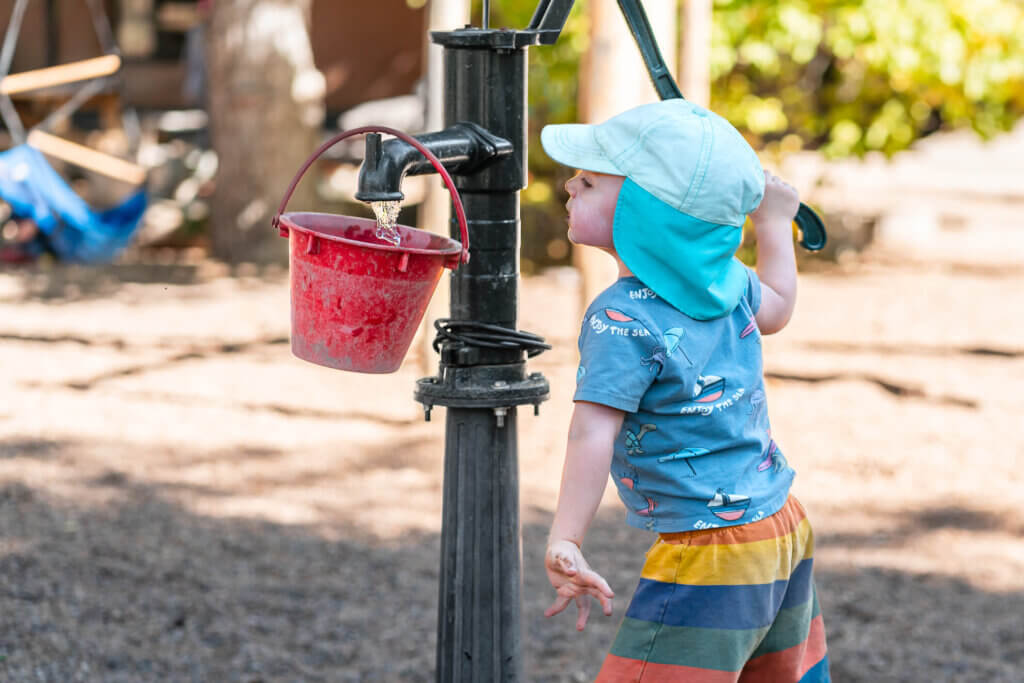
The Early Childhood Camp Assistant is responsible for helping to create a wonderful Waldorf ECE Camp experience for our mixed-age camp children (ages 3-6). The ECE Camp Assistant will work with the ECE Camp Lead Teacher by assisting in classroom management, supervision of the class, engaging appropriately with students, taking directions from the Lead Teacher, and engaging in day-to-day responsibilities according to the principles of Waldorf Education.
The physical demands described here are representative of those that must be met by an employee to successfully perform the Essential Duties and Responsibilities of this job. While performing the duties of this job, the employee is required to:
Interested candidates should submit a letter of interest, resume, three references, and salary requirements to hrmgr@smwaldorf.org
Shining Mountain Waldorf School is fully committed to Equal Employment Opportunity and to attracting, retaining, developing and promoting the most qualified employees without regard to their race, religion, gender, gender identity, disability, familial status, sexual orientation or nation or ethnic origin, citizenship status, veteran status, or any other characteristic prohibited by state or local law. We are dedicated in providing a work environment free from discrimination and harassment, and where employees are treated with respect and dignity.
Shining Mountain Waldorf School is seeking a warm, joyful, and experienced Early Childhood educator to serve in a combined role as Lead Teacher in both our Buttercup Preschool classroom and our Fairy Blossom parent-child program.
This position includes three days per week leading a mixed-age preschool classroom (ages 2½–4) and two days per week leading Fairy Blossom parent-child classes (ages 6 months–3 years with caregivers). There is not an assistant for the Fairy Blossom class.
In the Buttercup classroom, the Lead Teacher creates a nurturing, play-based Waldorf environment grounded in rhythm, imagination, and connection to the natural world. In Fairy Blossom, the teacher guides caregivers and young children in a peaceful, home-like setting, offering both experiential activities and parent education rooted in Waldorf principles.
SMWS offers a teaching base salary commensurate with Waldorf training and years of experience, along with a comprehensive benefits package, including:
Shining Mountain Waldorf School is committed to equal employment opportunity and to fostering a workplace rooted in respect, dignity, and inclusion.
Interested candidates should submit a letter of interest, resume, three references, and salary requirements to hrmgr@smwaldorf.org
Program: Administration
Reports to: Development Director and School Director
FLSA Status: Non – Exempt (Hourly)
Date: August 2026
Shining Mountain Waldorf School, founded in 1983, is an accredited Pre-K-12 nonprofit Waldorf independent school located in Boulder, Colorado on the Front Range of the Rocky Mountains. We are recognized for our academic depth, experiential learning, artistic integration, wilderness experiences, and place-based, innovative program. Our school is about an hour’s drive to Denver and Rocky Mountain National Park. We are close to world-class hiking, skiing, and outdoor recreation. A college town, Boulder is home to the University of Colorado and Naropa University, as well as numerous local organizations that provide a rich variety of arts, lectures, and workshops. Boulder is known for its natural beauty, environmental initiatives, sustainable agriculture, farm-to-table dining, and more than 300 days of sunshine each year.
Shining Mountain Waldorf School (SMWS) is at an exciting point in its 40+ year history. We have recently built a new state of the art high school campus, adjacent to the existing lower school campus. The school has been deeply engaged in a revisioning process to rediscover our unique, contemporary identity and to identify several capstone pilot program opportunities.
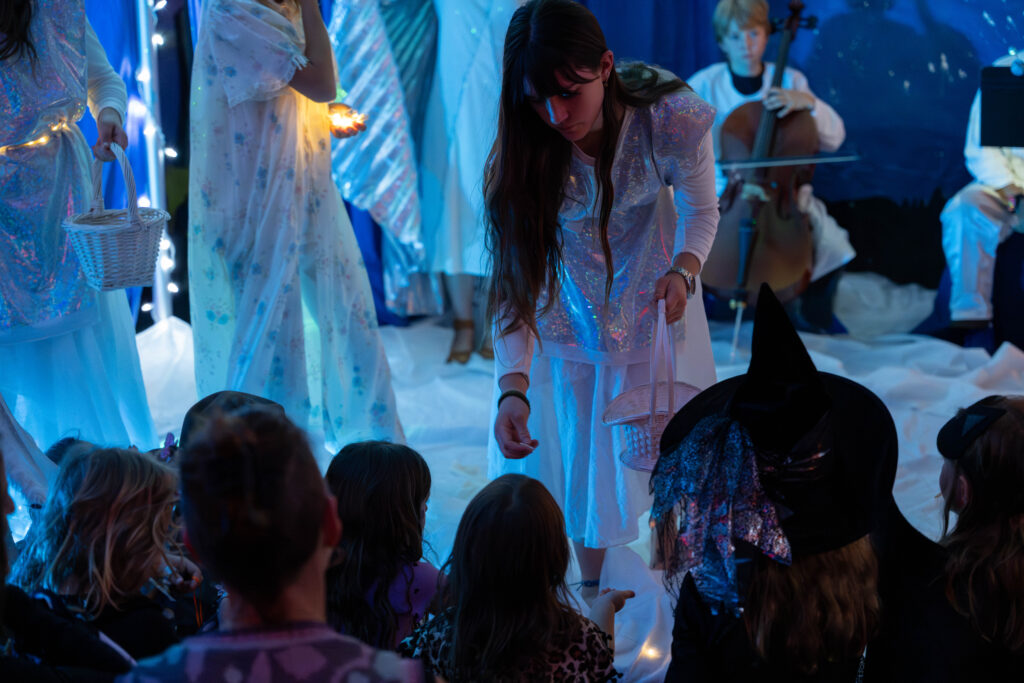
The Events Coordinator is responsible for overseeing and implementing all-school community festivals & donor events and assisting the Development Director with fundraising campaigns and cultivation events. The Events Coordinator coordinates and supports community cultivation events throughout the school year and identifies, encourages, and facilitates volunteer participation throughout the school community. This position creates a warm, beautiful, safe, and welcoming environment for celebration of festivals, academic presentations and celebrations, and broader donor and community engagement opportunities. Event support includes the coordination of audio-visual, event set-up needs, licenses, food and beverage, and event schematics. This position will prepare SMWS to analyze, prioritize, and develop an achievable comprehensive annual calendar of community events to ensure the sustainable and inclusive opportunities for community engagement. This is a part-time position.
The physical demands described here are representative of those that must be met by an employee to successfully perform the Essential Duties and Responsibilities of this job. While performing the duties of this job, the employee must be able to perform:
Interested candidates should submit a letter of interest and resume to hrmgr@smwaldorf.org.
Shining Mountain Waldorf School is fully committed to Equal Employment Opportunity and to attracting, retaining, developing and promoting the most qualified employees without regard to their race, religion, gender, gender identity, disability, familial status, sexual orientation or national or ethnic origin, citizenship status, veteran status, or any other characteristic prohibited by state or local law. We are dedicated to providing a work environment free from discrimination and harassment, where employees are treated with respect and dignity.

HR Director
Donna resides in Boulder, Colorado, where she shares her home with her dog and cat and her visiting daughters, who are currently attending college. Originally from Encino, California, Donna moved to Colorado to pursue her education and graduated from the University of Colorado at Boulder with a Bachelor of Science in Human Resources. What began as a college journey quickly became a lifelong connection to the community she now calls home.
After graduation, Donna built a successful career in Human Resources, gaining more than 15 years of professional experience while also dedicating many years to active involvement in her daughters’ schools. Throughout her career, she has been known for her collaborative spirit,
strong organizational skills, and genuine commitment to supporting people and communities.
Donna brings enthusiasm, warmth, and a deep sense of purpose to her role at the Shining Mountain Waldorf School, where she is excited to support the school community.
Outside of work, she is an avid bicyclist and enjoys kayaking, exploring the outdoors, and capturing meaningful moments through photography.
Job Title: Facilities & Grounds Assistant
Program: Administration
Reports to: Facilities & Grounds Director
FLSA Status: Non-Exempt
Date: January 2026
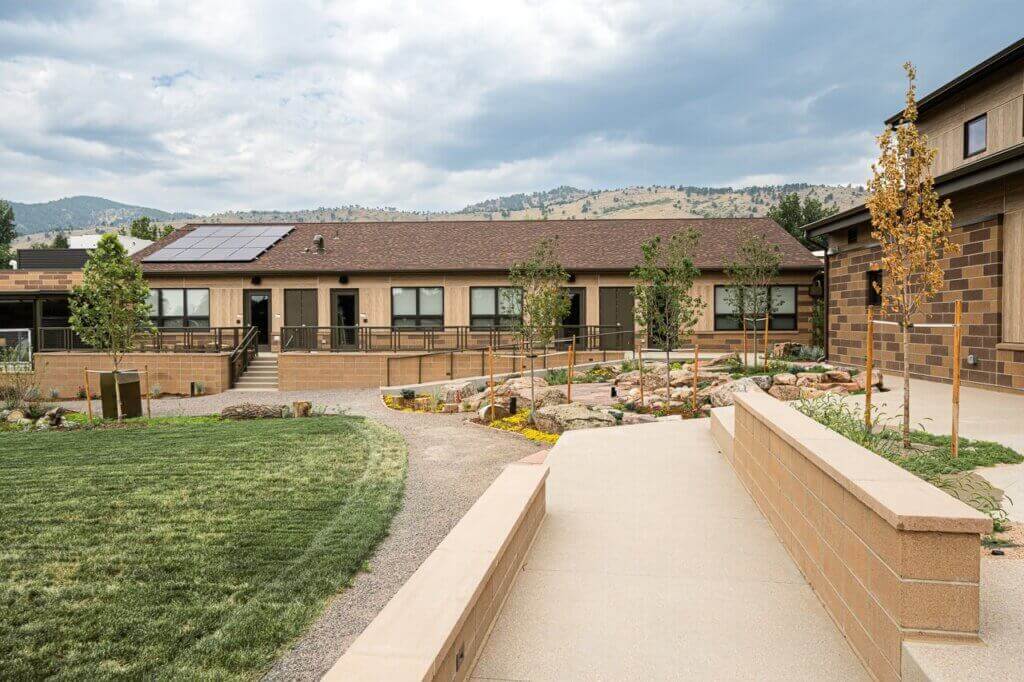
Shining Mountain Waldorf School (“SMWS”) is a PreK-12th grade campus consisting of 8 acres and 15 buildings located at the foothills of North Boulder, Colorado. In conjunction with the Facilities Director, the Facilities and Grounds Assistant provides year-round maintenance, seasonal upkeep, and improvement of school buildings and grounds to support our nature and outdoor school curriculum. Maintenance, safety, and improvement projects are essential to welcome visitors and the SMWS community to the natural beauty of the SMWS campus.
Required skills to address issues relating to campus maintenance: plumbing, electrical, carpentry, painting, HVAC, care of the grounds, etc.
Daily tour of campus and playground for hazards, trash, safety, and wildlife concerns
Daily response to requests for repairs and campus assistance
Daily late afternoon safety checks for campus and building safety
Weekly service and safety inspection of school buses (fuel, oil, tires, etc.)
Weekly cleaning and organizing of facilities and grounds workshop
Weekly safety inspections of playground equipment
Preparation for school events and meetings, including setup and breakdown of tables and chairs
Seasonal work, inspecting and maintaining classrooms, air conditioners, swamp coolers, furnaces, water heaters, thermostats, etc.
Supplement early morning seasonal and evening snow removal and ice management throughout campus in preparation for the student and parent arrival and departure of the school day
Delivery and moving of items throughout campus classrooms and buildings
Outdoor work, walking, repairing, and attention to our 8-acre campus
School events set up and break down – festivals, concerts, and plays
Driving ability to include driving school truck with trailer
Working knowledge of automotive care and maintenance
Working with faculty and assisting in moving and preparing classrooms
Familiarity with landscaping and irrigation, plumbing, electrical, carpentry, painting, HVAC, and general maintenance items
Friendly and approachable temperament working with faculty, staff, students, and community
Previous construction, trade, and technical skills
Self-starter in recognizing and completing necessary campus needs and maintenance
Skill and ability to operate power tools in accordance with proper safety guidelines
Basic computer skills
Driver’s license required with excellent driving record
Available to work a flexible schedule at times when work is needed outside of normal working hours – early mornings and weekends (early/late snow removal, event set up and break down, facilities emergencies, etc.)
Status: Full time – 40 hour a week non-exempt position
Type: This is an hourly, year-round position
Hours: 8:30 am to 4:30 pm (may require some early morning and evening hours)
Environment: Work setting varies based on assignment – indoor and outdoor work on campus and buildings
Pay: Hourly wage of $25.00 per hour – overtime paid (time and ½) when over 40 hours are worked per week
Time Off: Personal Time Off (monthly accruals of 2 weeks and 3 weeks after 1+ years)
Sick Leave: Colorado Paid Sick Leave (1 hour earned each 30 hours worked up to 48 hours each calendar year)
Holidays: Up to 15 Paid National Holidays per calendar year, including a paid week during the December holidays
Benefits: Medical, dental, vision, life insurance, long-term disability, 401(k) with match (determined annually), flexible spending account, and other ancillary benefits
The physical demands described here are representative of those that must be met by an employee to successfully perform the Essential Duties and Responsibilities of this job. While performing the duties of this job, the employee must be able to perform:
General construction work-related requirements, including but not limited to: lifting, bending, standing, kneeling, carrying items, working on a ladder, etc.
Ability to lift at least 60 pounds
Work in tight spaces – work may be in small spaces within buildings, crawl spaces, and frame restrictions
Reasonable accommodations may be made to enable qualified individuals with disabilities to perform essential functions.
Shining Mountain Waldorf School is fully committed to Equal Employment Opportunity and to attracting, retaining, developing, and promoting the most qualified employees without regard to their race, religion, gender, gender identity, disability, familial status, sexual orientation, or national or ethnic origin, citizenship status, veteran status, or any other characteristic prohibited by state or local law. We are dedicated to providing a work environment free from discrimination and harassment, where employees are treated with respect and dignity.
Job Title: Substitute Teacher
Program: Grades 1 through Grade 12
Reports to: Campus Operations Director
FLSA Status: Non-Exempt
Date: October 2024
Shining Mountain Waldorf School, a PreK to High School, is seeking Substitute Teachers. In order to create an encouraging learning environment for students while their regular Teacher is absent, our Substitute Teachers will need to effectively manage and instruct the class. We are looking for individuals who have teaching experience, love the classroom environment, and are available (sometimes on very short notice) to work during the week. Knowledge of Waldorf education is a plus.
Teaching and supervision of students in the event that their regular teacher is unable to lead class.
Manage classroom behavior and follow lesson plans provided by the regular Teacher to create a cohesive and consistent learning experience for students.
Manage the classroom effectively to encourage student participation, minimize distractions and maintain a positive learning environment.
Adapt teaching methods to fit the needs of each individual student.
Supervise students in and out of the classroom, including in class transitions, and on the playground.
Classroom and playground environment
Pay: $25 per hour with a 2-hour daily minimum
Timesheets are required to be completed
Substitute Teaching hours vary and are contingent on SMWS Faculty absences from the classroom and class needs
Calls to Substitute Teach may be made on very short notice – evening and morning hours
Substitute hours are based on SMWS need for classroom coverage
Bachelor’s Degree
Teaching experience and classroom experience required
Comfortable with students and academic focus
The physical demands described here are representative of those that must be met by an employee to successfully perform the Essential Duties and Responsibilities of this job. While performing the duties of this job, the employee must be able to perform:
Sitting and standing for class presentations
Lift 25 pounds, bending, stretching
Mobility to move about the classroom, walking around our 12 -acre campus, and playground
Reasonable accommodations may be made to enable qualified individuals with disabilities to perform essential functions.
Shining Mountain Waldorf School is fully committed to Equal Employment Opportunity and to attracting, retaining, developing and promoting the most qualified employees without regard to their race, religion, gender, gender identity, disability, familial status, sexual orientation or national or ethnic origin, citizenship status, veteran status, or any other characteristic prohibited by state or local law. We are dedicated to providing a work environment free from discrimination and harassment, where employees are treated with respect and dignity.

Admissions Director
Kim brings more than 12 years of dedicated experience in Advancement and Admissions within Waldorf Education. Kim’s journey with Waldorf Education began in 2013 at the Austin Waldorf School, where she discovered a deep passion for Waldorf pedagogy and Anthroposophy. After relocating to Colorado in 2014, Shining Mountain Waldorf School quickly became a second home for her family. That same year, Kim stepped into the role of Lower School Receptionist, marking the start of nearly a decade of service and leadership at SMWS.
With over 15 years of experience in non-profit fundraising and event management, Kim was a natural fit for the position of Development Director at Shining Mountain, a role she held from 2017 to 2020. She then transitioned into Admissions, serving as Admission Director from 2020 until her family’s return to Austin in 2023. Kim continued work in Waldorf Education by serving as Admission Director at the Austin Waldorf School for the following three years.
Kim studied Biochemistry at Texas State University and has completed her Foundation Studies in Anthroposophy.
Outside of her professional life, Kim and her husband, Julian, are parents to their three children, Sydney, Suri, and Julian. Together, they enjoy hiking, fishing, camping, skiing, and cooking as a family.